Application intake
We gather load case, dimensional range, operating temperature, contact media, installation method and expected service life so the first recommendation is not generic.
The service path is designed for teams that already know the application but still need help turning pressure, flex, surface, packaging and compliance needs into a supplier-ready brief.

Each service is scoped around evidence that a purchasing team can reuse: material assumptions, sample logic, quality checkpoints and next-step ownership.
We gather load case, dimensional range, operating temperature, contact media, installation method and expected service life so the first recommendation is not generic.
TPU, butyl and other rubber options are compared through usable properties such as pressure retention, elongation, rebound, abrasion, odor and patch compatibility.
Trial lots can be organized with inspection points, packaging needs, labeling notes and acceptance criteria before a larger commercial commitment is discussed.
Datasheets, sustainability notes, compliance statements and change-control assumptions are organized for engineering, quality and sourcing stakeholders.
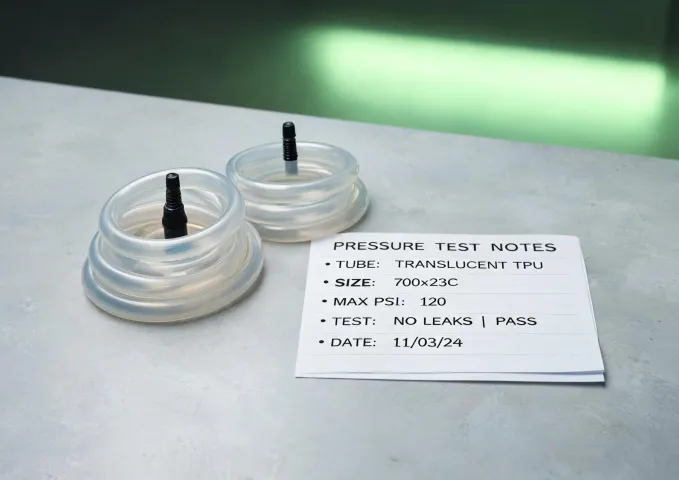
A distributor may begin with a simple request for lighter tubes. The useful conversation is more detailed: rim depth, valve length, riding pressure, patch kit, retail packaging, batch coding and acceptable pressure-loss window all change the recommendation. Pirelli structures those variables into a trial matrix so the buyer can compare samples under the same conditions rather than relying on first impressions.
The result is a clearer sample order, fewer repeated questions and a purchasing file that explains why the selected construction fits the application. That clarity matters when engineering, sales and customer service all need the same answer after launch.
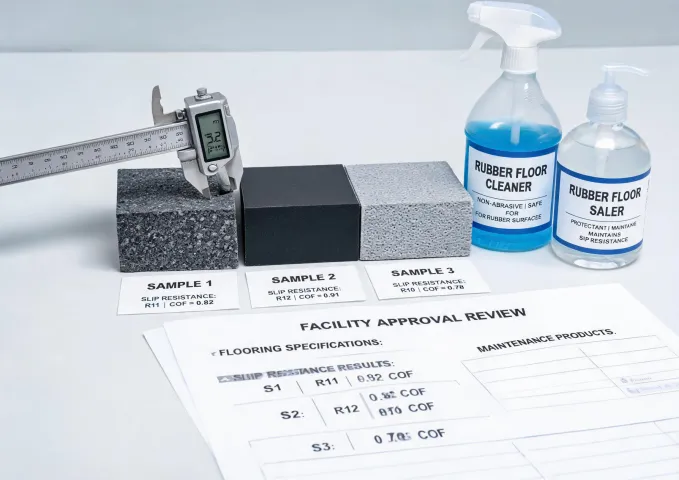
Rubber flooring decisions often mix engineering and operational preferences. A facility team may care about slip feel, odor, cleaning chemistry, thickness, color, edge treatment and installation speed. Pirelli turns that mixture into a practical checklist so the product is not judged by appearance alone.
When acceptance criteria are agreed before sampling, the buyer can separate material issues from installation issues. That makes supplier comparison more objective and helps avoid late changes after a floor plan, fixture layout or maintenance procedure has already been approved.
Better recommendations begin with how the product will be used. Add conditions, quantities, timing and documentation needs so Pirelli can guide the next step with less back-and-forth.