High-pressure cycling tubes
TPU and butyl programs require valve length, rim depth, patch compatibility, pressure retention and pack-out instructions before a quotation is useful.
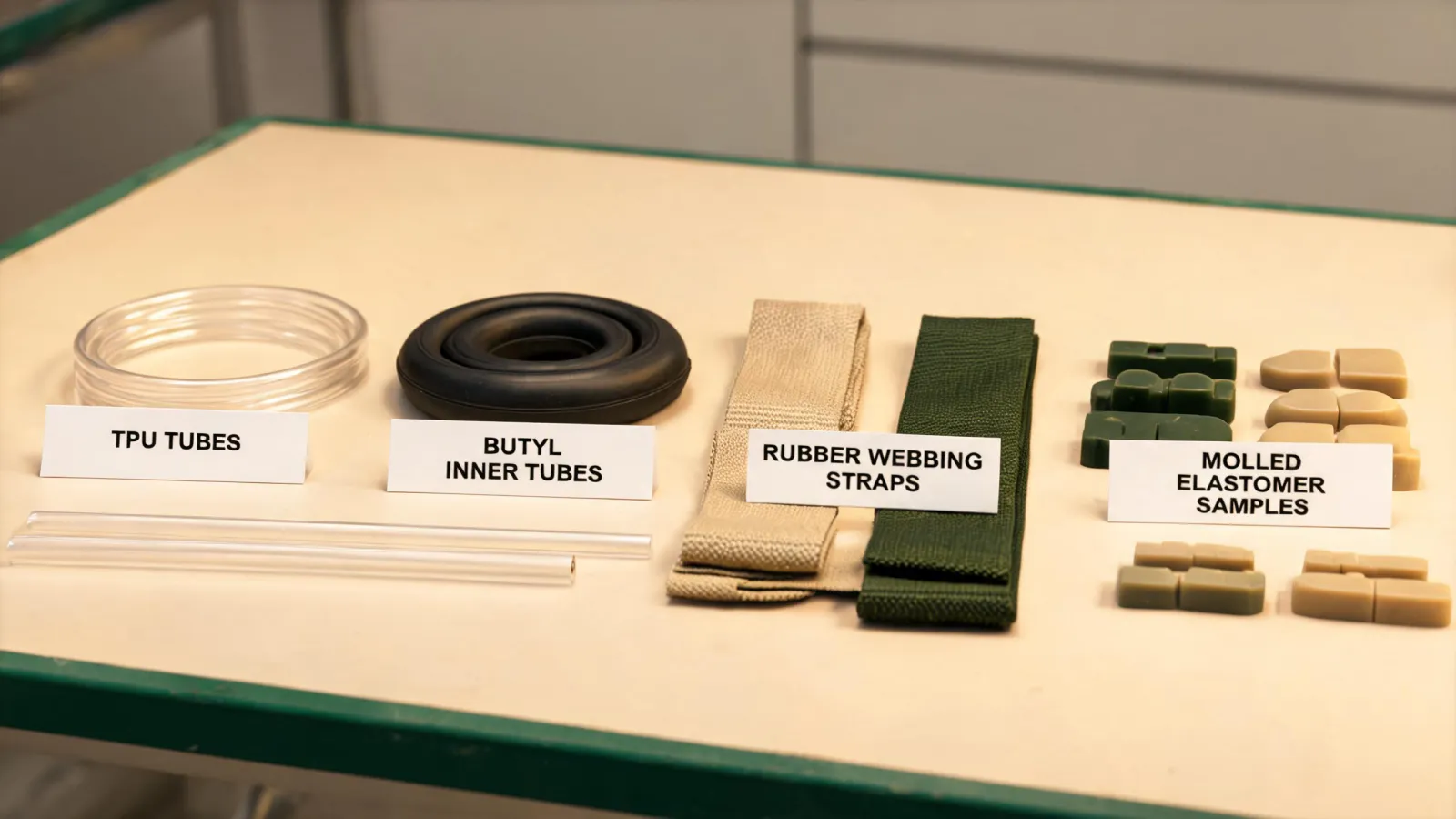
Pirelli helps buyers translate product intent into workable elastomer briefs, sample plans and documentation packages for tubes, webbing, flooring and related rubber applications.
Each card frames the buyer question before the material conversation begins, so sourcing, engineering and quality teams can compare the right evidence.
TPU and butyl programs require valve length, rim depth, patch compatibility, pressure retention and pack-out instructions before a quotation is useful.
Elastic recovery, UV exposure, stitching behavior and colorfastness shape how webbing is selected for consumer and light-industrial builds.
Flooring reviews combine slip resistance, odor expectations, installation pattern, wear layer thickness and cleaning chemistry.
Patch kits, valve extenders and shelf-ready tube packs need packaging, barcode, multilingual instruction and warranty assumptions aligned early.
Friendly guidance does not mean shallow advice. Pirelli structures the conversation around measurable properties, realistic sampling and the tradeoffs that usually appear during approval.
We start with pressure, flex cycle, wear, surface contact and packaging needs instead of forcing buyers through a generic catalog path.
Procurement receives commercial clarity while engineers receive durometer, elongation, compatibility and test-plan notes in the same package.
Small trial lots can be scoped with inspection points, acceptance criteria and change-control notes before production expectations harden.
Material options are discussed with durability, recycled-content feasibility, packaging reduction and end-of-life claims kept in realistic language.
Include the current material, failure mode, target launch date and any compliance requirement. We will respond with the questions that actually shape a rubber or TPU recommendation.